Table of contents
- Las Vegas Water Compared to Other Cities
- How Hard Is Las Vegas Water?
- Does Water Change Between Las Vegas Neighborhoods?
- The Neighborhoods Where Hard Water Is Most Noticeable
- The Most Common Signs of Hard Water in Las Vegas Homes
- The Hidden Damage Hard Water Causes to Appliances
- Why Water Softeners Matter in Las Vegas
- Final Thoughts
If you live in Las Vegas, there’s a good chance you’ve already seen the signs of hard water in Las Vegas — even if you didn’t realize what they meant at first.
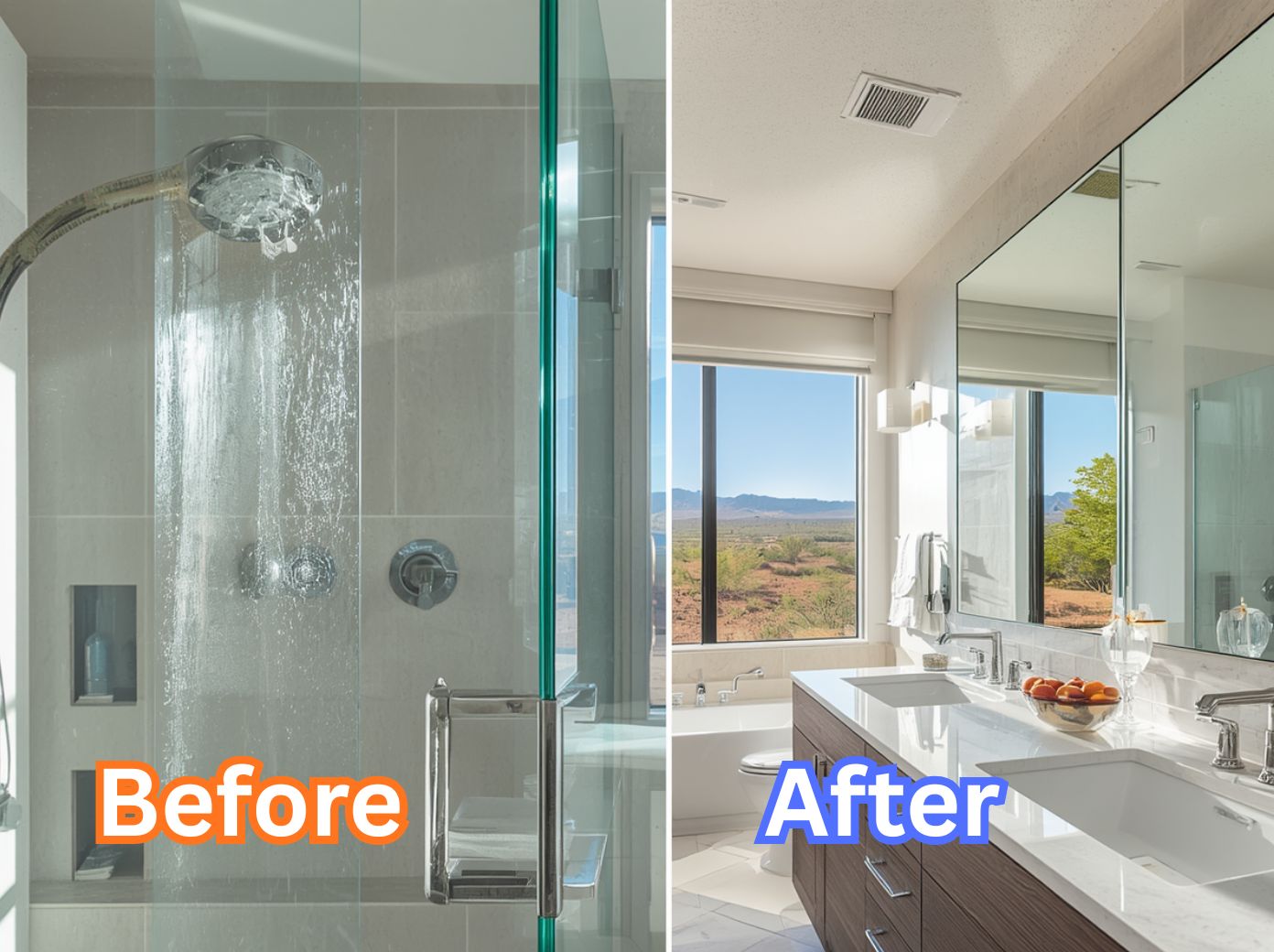
White spots on your faucets. Cloudy shower glass. Dry skin after every shower. Appliances that seem to wear out too fast.
Most homeowners assume this is “just how the water is here.”
But after years of working with water treatment systems across the Las Vegas Valley, one thing becomes very clear:
Hard water isn’t just common in Las Vegas — it defines how your entire home ages.
Let’s break down what’s really happening inside Las Vegas water systems, how different areas of the Valley are affected, and why so many homeowners eventually turn to water softeners and reverse osmosis systems for relief.
Las Vegas Water Compared to Other Cities
One of the first things people notice when moving to Las Vegas is how quickly water issues show up in their home.
Compared to cities in the Pacific Northwest, Midwest, or coastal regions, Las Vegas water contains significantly higher levels of dissolved minerals, mainly calcium and magnesium.
In softer-water cities, homeowners may go years without thinking about scale buildup. In Las Vegas, it can show up in weeks.
That difference changes everything.
Shower doors start to haze over. Faucets develop white crust. Dishware loses its shine. And water heaters begin accumulating internal scale long before homeowners expect it.
From a professional standpoint, Las Vegas is not just a “hard water city” — it’s one of the most active water treatment markets in the country because the effects are immediate and unavoidable.
How Hard Is Las Vegas Water?
Across the Las Vegas Valley, most homes experience water hardness levels in the range of:
- 250 to 350 parts per million (PPM)
- 15 to 25 grains per gallon (GPG)
To put that into perspective:
- Anything above 10 GPG is considered very hard water
- Las Vegas routinely falls well above that threshold
This means every single water-using appliance in your home is constantly exposed to mineral content that slowly builds up over time.
It doesn’t break your home overnight — but it quietly changes how everything performs, cleans, and lasts.
Does Water Change Between Las Vegas Neighborhoods?
A common question homeowners ask is whether certain parts of the Valley have better or worse water.
The truth is that the water source is largely the same across Las Vegas, but the impact of hard water feels different depending on the neighborhood.
Summerlin
In Summerlin, homeowners often invest in high-end kitchens, glass showers, and premium fixtures. Because of that, hard water becomes highly visible.
Even small mineral spots stand out on polished surfaces, making maintenance feel constant.
Henderson
Henderson homes are often larger and family-oriented, meaning more showers, more laundry, and more appliance usage. This leads to faster accumulation of scale inside water heaters and plumbing systems.
North Las Vegas
Many homeowners in North Las Vegas report some of the most noticeable hard water effects — especially on older plumbing systems and fixtures that haven’t been upgraded.
Southwest Las Vegas
This is one of the fastest-growing areas in the Valley. New homeowners often install water treatment systems early because they want to protect brand-new appliances and avoid future scale buildup.
Centennial Hills
Similar to Southwest, Centennial Hills has many newer homes with tankless water heaters and modern plumbing systems. These systems are efficient but highly sensitive to mineral buildup.
The takeaway is simple:
It’s not that water changes dramatically between neighborhoods — it’s that homes respond differently depending on design, usage, and expectations.
Get a professional water analysis and customized solution for your home.
The Neighborhoods Where Hard Water Is Most Noticeable
Technically, hard water affects every part of Las Vegas.
But it becomes most visible in neighborhoods with:
- Larger homes
- Multiple bathrooms
- Glass-heavy designs
- High-end appliances
- Tankless water heaters
Areas where homeowners frequently notice hard water problems include:
Summerlin, Henderson (Green Valley and Anthem areas), Centennial Hills, Southwest Las Vegas, Southern Highlands, Aliante, and Inspirada.
These are not “worse water” areas — they are simply places where homeowners can see and feel the effects more clearly.
Get a professional water analysis and customized solution for your home.
The Most Common Signs of Hard Water in Las Vegas Homes
Most homeowners don’t realize they have a water problem until the signs become routine.
Some of the most common symptoms include:
White Mineral Spots
Faucets, sinks, and fixtures develop a chalky white buildup that returns quickly after cleaning.
Cloudy Glass and Dishes
Even after running the dishwasher, glassware often looks foggy or streaked.
Soap That Doesn’t Work Well
Hard water reduces soap efficiency, meaning more product is needed for cleaning, bathing, and laundry.
Dry Skin and Hair
Many homeowners notice irritation, dryness, or dull hair after showers.
Clogged Shower Heads
Mineral buildup restricts water flow and reduces shower performance over time.
Laundry That Feels Rough
Clothes can feel stiff or less soft even after washing.
Increased Cleaning Time
Homeowners often spend significantly more time scrubbing surfaces without realizing the water is the root cause.
The Hidden Damage Hard Water Causes to Appliances
While visible issues are frustrating, the real cost of hard water shows up inside your appliances.
Water Heaters
Water heaters are one of the most affected systems in Las Vegas homes.
Scale builds up inside tanks and on heating elements, forcing the system to work harder and less efficiently. Over time, this can lead to higher energy bills and early replacement.
Tankless Water Heaters
Tankless systems are efficient, but highly sensitive to mineral buildup. Without protection, scale can restrict internal heat exchangers and reduce performance.
Dishwashers
Hard water leaves residue on dishes and builds up inside internal components, reducing cleaning effectiveness.
Washing Machines
Mineral deposits can affect valves, hoses, and internal systems, gradually reducing efficiency and lifespan.
Refrigerators and Ice Makers
Many homeowners notice cloudy ice, slow production, or dispenser issues caused by scale buildup in water lines.
Small Appliances
Coffee makers, kettles, and steam appliances often fail earlier in Las Vegas homes due to constant mineral exposure.
Plumbing Systems
Over time, scale buildup can accumulate inside pipes, slowly restricting water flow throughout the home.
Why Water Softeners Matter in Las Vegas
In a city with consistently hard water, water softeners are not about luxury — they are about prevention.
A properly designed system helps reduce:
- Scale buildup in plumbing
- Appliance wear and tear
- Cleaning time
- Soap inefficiency
- Fixture damage
When paired with reverse osmosis for drinking water, homeowners also gain cleaner-tasting water, improved coffee and food flavor, and clearer ice.
Get a professional water analysis and customized solution for your home.
Final Thoughts
Las Vegas water is safe, regulated, and widely distributed — but it is also naturally hard enough to affect nearly every part of a home.
From Summerlin to Henderson, North Las Vegas to Centennial Hills, the impact is consistent: hard water changes how homes look, feel, and age.
The difference between homeowners who struggle with constant buildup and those who don’t usually comes down to one thing — whether they treat their water early or wait until damage appears.
Understanding your water is the first step.
Protecting your home is the next.
Get a professional water analysis and customized solution for your home.